
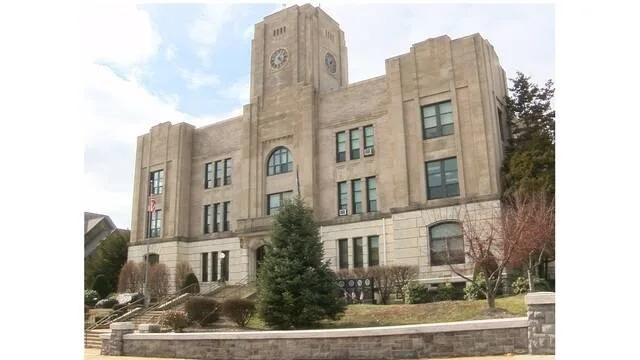
Hazleton voters agreed to switch to a new city home rule charter drafted by an elected study commission, according to unofficial results from Tuesday’s general election.
Hazleton voters approved the home rule charter question with 2,736 yes votes, or 66.50%, and 1,378 no votes, 33.50%.
Mayor Jeff Cusat served on the commission and said he pushed for the new charter because he saw the need for many changes during his decade at the helm, including more options to address fiscal needs.
Cusat said there should be no city real estate tax increase in 2027 due to the new charter because it gives the city more control to spend some funds on needed expenses, such as revenue from earned income tax and transfer tax.
Charter denial would have put the city at risk of a significant real estate tax increase, he said Tuesday, citing an estimate of up to 16%.
City taxes are currently 11.14 mills, which equates to a $1,114 tax bill on a $100,000 property. A mill is $1 tax on every $1,000 in assessed value of real estate. A 16% increase would have increased taxes $178.24 on a $100,000 property.
The mayor said the city had more options to deal with fiscal challenges when it was in Act 47 distressed status, which ended in May 2023, and he and other officials wanted to regain some of that flexibility.
Charter critics, including city resident Dee Deakos, worried lifting fiscal constraints could lead to excessive spending. She also argued the current structure does not stop city officials from implementing some of the proposed charter benefits.
The city currently operates under a standardized home rule structure, known as an optional plan.
Cusat had highlighted some of the improvements he valued in the customized new charter, saying it would cap real estate tax increases at 7% unless there are extraordinary circumstances and mandate a homestead exemption, saving owner-occupied primary residences up to $426 on city property tax bills annually.
It also requires referendums for voters to approve or reject the sale of city assets and the removal or sale of historic statues and structures.
Also added were eligibility standards for the elected city mayor and council members that include at least two years of documented city residency and clarification of contracting responsibilities held by the council and mayor, he said. Residents will have more power to have ordinances adopted or repealed, the mayor added.
He described the new structure as “perfect for us” and a potential model for others.
Cusat said he and other charter supporters were outside polling places Tuesday to answer voter questions and explain the process.
“It protects the city and gives the citizens more rights for the future,” he said of the new charter.